
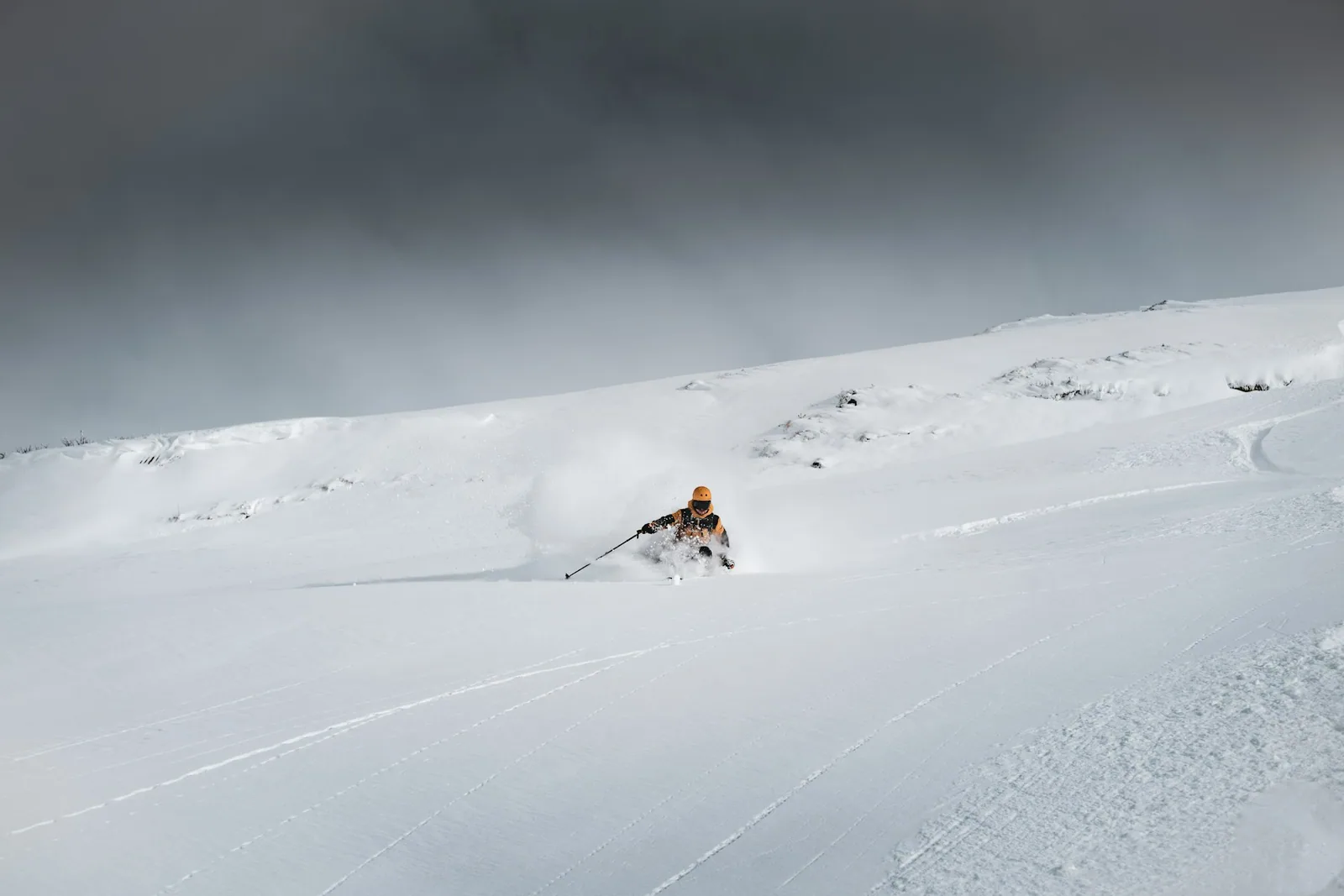
Start with resorts you can realistically reach, compare their snowfall over the same dates, then check daily timing, temperature, wind and operations. The largest forecast total is one input; the best fit also depends on your ski days and the terrain you want to use.
Build a shortlist you could actually use
Start with your constraints: departure point, available dates, travel time, budget and the people coming with you. Remove options that cannot work even if they receive the most snow. This makes the weather comparison more useful.
A state or province page is a starting point for finding candidates. Open two to four resort pages and keep the date range consistent. If a resort’s forecast is missing, leave it unranked until you can check another current source.
Compare the same window at each resort
Use the dates you plan to ski as the decision window. A longer storm total can be useful for watching a developing system, but it can also count snowfall that arrives after your trip ends. Read the daily rows rather than relying only on a rank.
In a hypothetical Friday-to-Sunday trip, Resort A has 40 cm forecast through Tuesday and Resort B has 25 cm through Tuesday. If most of A’s snow arrives on Monday, the larger total does not settle the weekend choice. Compare Friday, Saturday and Sunday at both resorts first.
Add the mountain context
Check the forecast elevation, temperature and wind beside each snowfall figure. Then review the resort’s official trail map and operating report for the terrain your group wants. A mountain-wide snowfall comparison does not establish whether a particular lift, trail or access route will be available.
Keep the source and verification date in view when using resort facts such as trail counts, vertical and lift totals. Those facts describe the ski area; they do not represent the number of lifts or trails open today.
Make travel part of the decision
Check the roads for the whole route, including any mountain pass and the final resort access road. The National Weather Service recommends checking road incidents and restrictions before leaving and preparing a vehicle for winter travel.
Choose a fallback you would still enjoy if the leading forecast changes. That could mean another accessible resort, a different ski day or keeping your original booking. Decide which forecast or operational changes would make you switch before you spend money.
Keep a short decision note
Save the date and time you checked, your leading resort, one alternative and the next decision deadline. This avoids comparing today’s forecast at one mountain with a remembered total from yesterday at another.
- Which days will we ski?
- How much of the forecast falls during those days?
- What terrain and lifts does the resort expect to operate?
- Can we reach it under the current travel conditions?
- What would make us choose the alternative?
Sources & further reading
Product details checked against stormstoke’s forecast and alert behavior on . This guide is general planning information; follow the linked resort pages for current forecasts.